The City of Burlington

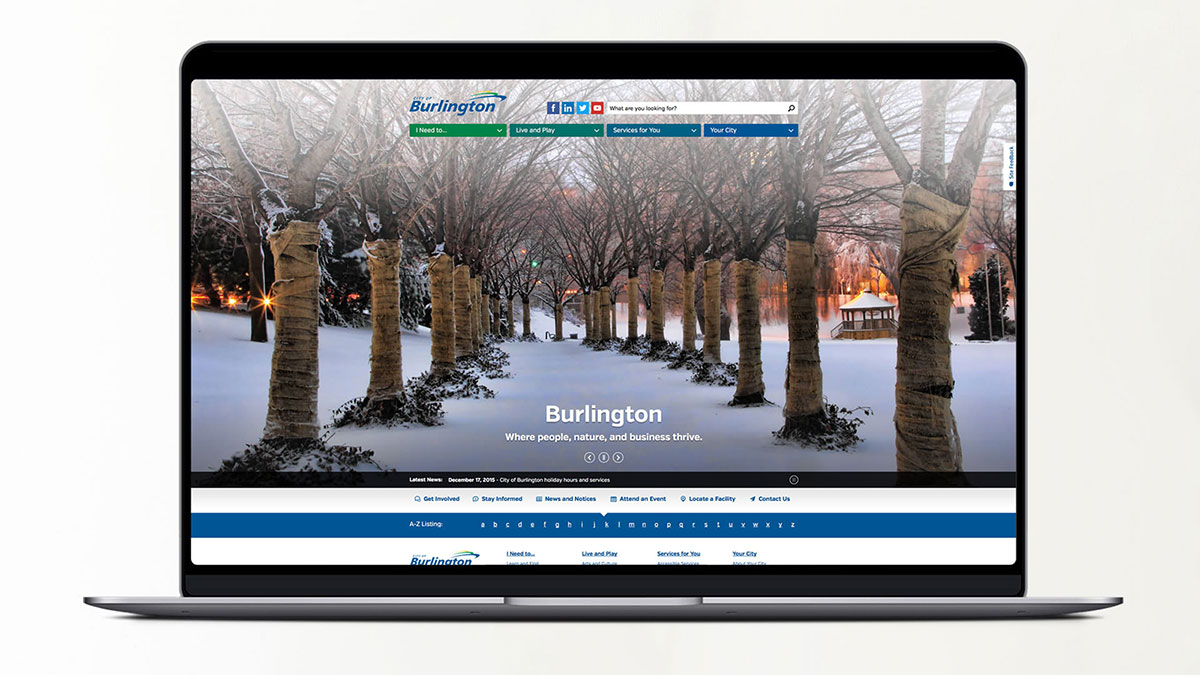
At the City of Burlington, web technology had evolved gradually through incremental updates, resulting in an outdated and fragmented user experience.
Challenge
With over two-thirds of residents and local businesses expressing a preference for online interactions with the city, it became clear that a comprehensive website redesign was necessary to better meet community needs.
Solution
A dedicated project team was assembled, and I led the design of a new website focused on delivering an intuitive, accessible, scalable, and fully responsive user experience.
The Approach
1) Empathize
Understand the User Needs
We conducted a series of Customer Journey Mapping sessions to gain a comprehensive understanding of the challenges users encountered with the existing website. Experiencing the site from the users’ perspective was critical. To support this, we developed detailed personas representing key visitor segments.
2) Define
Establish User-centered Insights
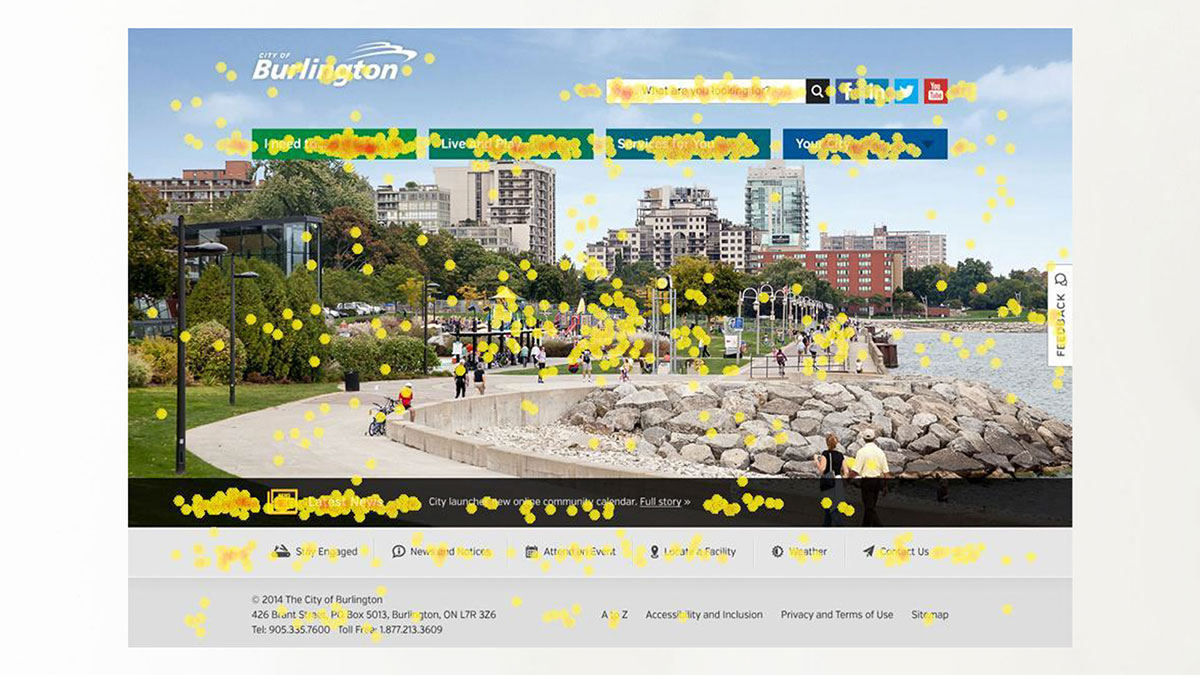
By analyzing browsing behavior, collecting user feedback, and reviewing website analytics, we clarified the core issues affecting user experience. Keeping the user perspective at the forefront, we formulated well-informed hypotheses to guide the redesign.
3) Ideate
Challenge Assumptions and Generate Solutions
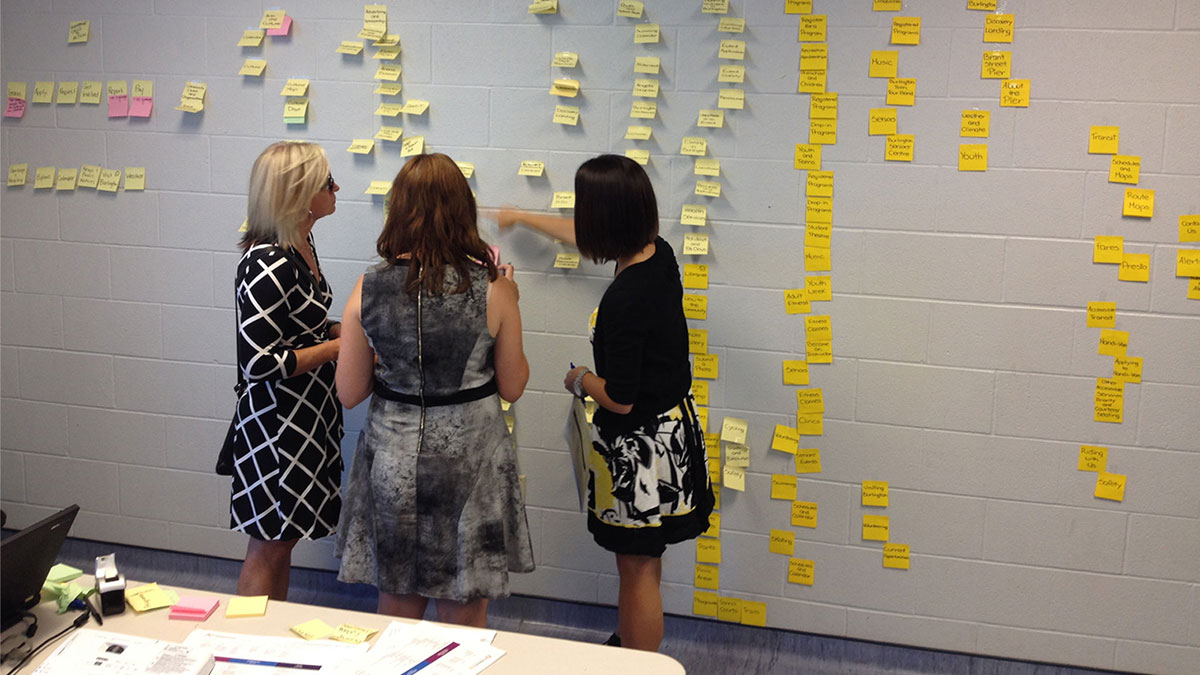
Through a combination of online and in-person site mapping workshops, we refined the website’s information architecture. Brainstorming sessions included stakeholders across all organizational levels. Strategic discussions resulted in actionable insights that added meaningful value to the project.
4) Prototype
Translate Concepts into Design
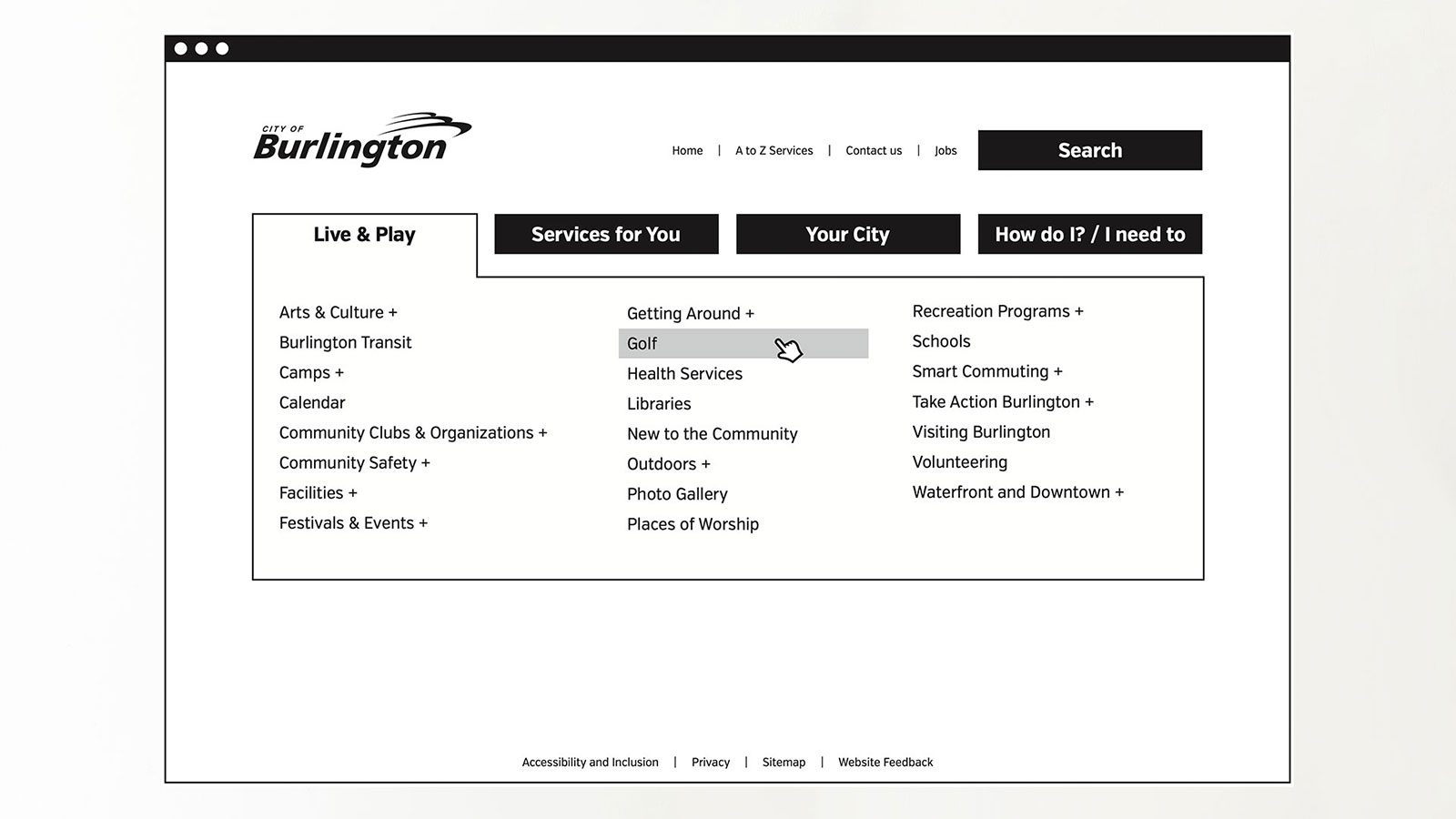
This phase involved creating sketches, wireframes, and mockups to visualize potential solutions. Close collaboration with the development team ensured designs were practical and technically feasible, allowing ideas to move seamlessly from concept to implementation.
5) Test
Observe and Collect Feedback
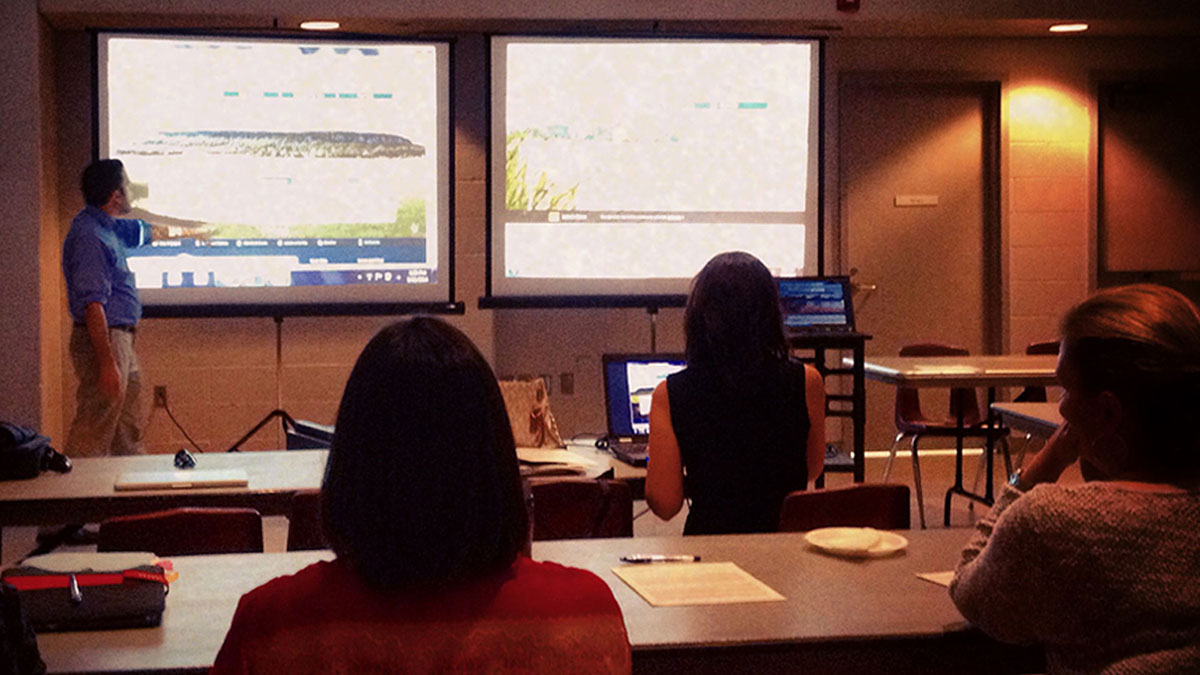
A/B testing was conducted during user experience workshops involving residents, businesses, and internal stakeholders. Gathering direct feedback allowed us to assess the effectiveness of design solutions. Agility was key—our ability to iterate and adapt based on real user input significantly improved the final user experience.
Awards
-
Best Government Site Design Gold Award | Hermes Creative Awards
The City of Burlington
2015
-
Best Municipal Site Design Gold Award | MarCom
The City of Burlington
2015
Impact
This project had a significant and lasting impact by transforming the City’s digital presence into a modern, user-centric platform. The redesigned website not only met the strategic goal of establishing a customer-first service model but also set a new standard for municipal digital service delivery. Its success was recognized through industry accolades, reinforcing the City’s commitment to accessibility, usability, and innovation in public service.
It was a good run. The website remained effective and relevant for over seven years, before advancements in customer service technology signaled the need for a new iteration.